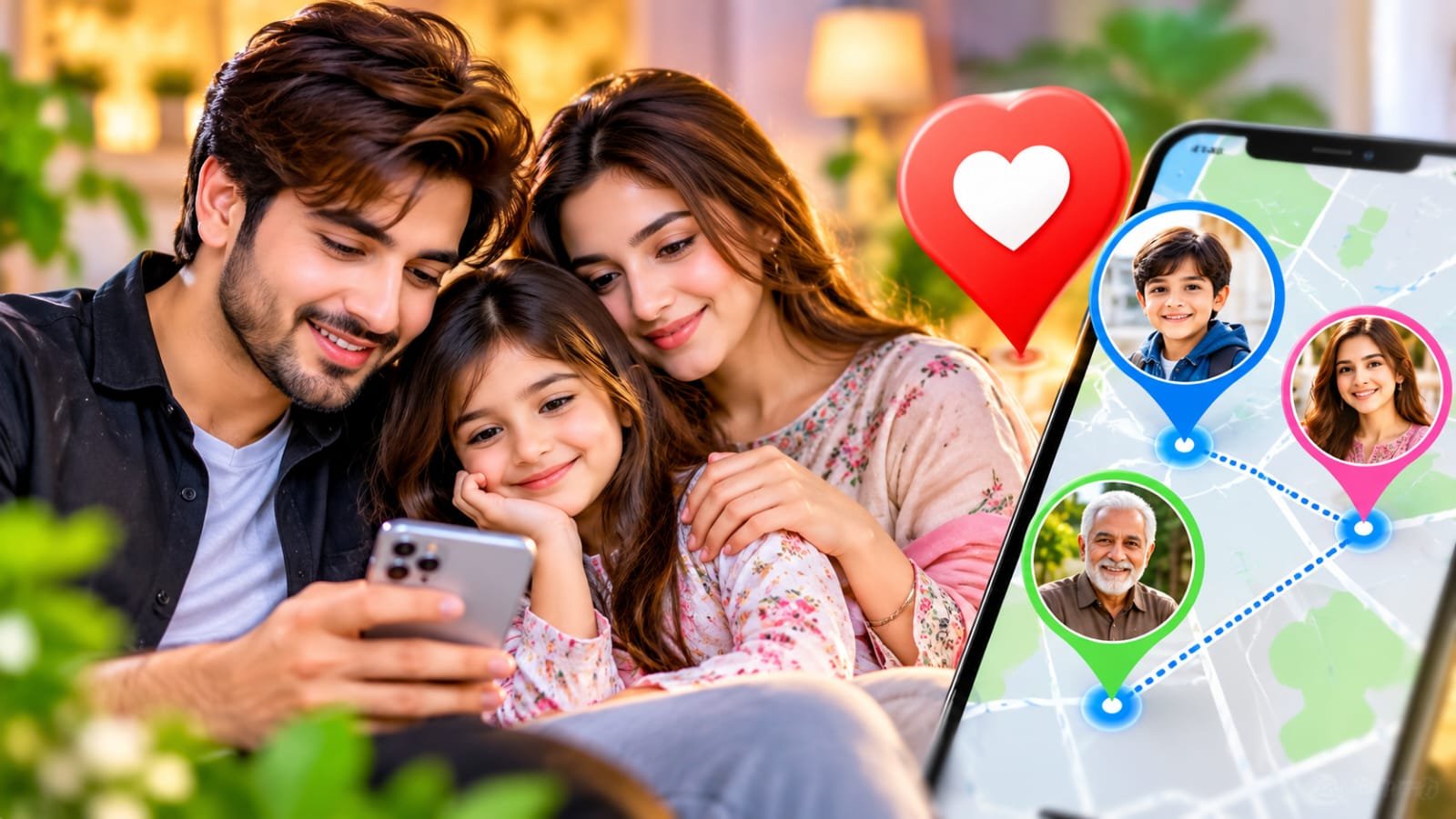
Knowing that the people you care about are safe can bring peace of mind, especially when they travel, live far away, or have busy daily routines. Fortunately, staying connected with loved ones no longer requires constant phone calls. Modern smartphones and communication tools offer practical ways to check in, share locations, and respond quickly during emergencies.
However, keeping an eye on someone should always be based on consent, trust, and respect for privacy. The goal is not to secretly monitor another person, but to create a reliable way for family members and close friends to stay connected and know when help may be needed.
Why Staying Connected With Loved Ones Matters
Life can become unpredictable. A family member may have a car problem, arrive late from work, travel to an unfamiliar place, or experience an emergency.
Regular communication can help you:
- Know when someone has arrived safely.
- Respond quickly during an emergency.
- Stay connected with children, parents, or elderly family members.
- Reduce unnecessary worry.
- Coordinate family activities and travel plans.
- Create a simple emergency communication system.
A quick message such as I arrived safely can sometimes provide more reassurance than a long conversation.
Safe Ways to Keep an Eye on Loved Ones
There are several legitimate methods for staying connected without invading someone’s privacy.
1. Use Voluntary Location Sharing
Many smartphones and popular communication apps allow people to share their real-time location with selected contacts. This can be particularly useful when traveling or meeting somewhere unfamiliar.
For example, two family members can agree to share their locations while traveling at night and turn location sharing off afterward.
The important point is that location sharing should be voluntary and transparent. Avoid using hidden tracking applications or attempting to access someone’s device without permission.
2. Set Up Regular Check-Ins
A simple check-in routine can be more effective than constantly monitoring someone’s location.
For example:
- A child can send a message after arriving at school.
- A traveler can contact family after reaching a hotel.
- An elderly parent can call or message once each morning.
- Friends can confirm when everyone reaches home after a late outing.
These small habits can create a dependable family safety routine.
3. Use Emergency Contact Features
Modern smartphones generally include emergency and safety features that can help people contact emergency services or trusted contacts when something goes wrong.
Families should consider setting up:
- Emergency contacts
- Medical information where appropriate
- Emergency calling features
- Device security
- Trusted contact information
Everyone in the household should know how these features work before an emergency happens.
How Parents Can Monitor Children Responsibly
Parents naturally want to know whether their children are safe. Depending on the child’s age, parents may use family safety and parental-control features to manage location sharing, screen time, app access, and other safety settings.
The best approach is to explain these tools clearly rather than secretly monitoring a child. Older children and teenagers should understand what information is being shared and why.
A healthy family safety system should encourage communication instead of creating fear or excessive surveillance.
What About Elderly Family Members?
Older parents or relatives may benefit from additional safety planning, particularly if they live alone or travel independently.
Consider establishing:
- A daily check-in schedule
- Emergency contacts
- Medication and medical information stored appropriately
- A simple emergency plan
- Location sharing during travel when they agree to it
Technology can support elderly family members, but personal communication remains equally important.
Avoid Secret Tracking and Spy Apps
Searching for ways to secretly track a partner, friend, or family member can create serious privacy and trust problems. Installing monitoring software on someone’s phone without their knowledge may also violate laws or the terms of a service.
Instead, use consensual location sharing and family safety tools. If you are genuinely concerned about someone’s safety, communicate with them directly or contact an appropriate emergency service when there is an immediate danger.
Protect Your Family’s Privacy
Staying connected should not mean giving away unnecessary personal information. Review location-sharing permissions regularly and make sure only trusted people can access sensitive information.
Good privacy practices include:
- Use strong passwords and device locks.
- Enable two-factor authentication where available.
- Review app permissions regularly.
- Share your location only with trusted contacts.
- Remove old or unnecessary location-sharing permissions.
- Keep smartphones and apps updated.
These steps can reduce the risk of personal information being exposed.
Final Thoughts
Keeping an eye on your loved ones is ultimately about care, communication, and safety—not secret surveillance. Location sharing, regular check-ins, emergency contacts, and family safety features can make it easier to stay connected while respecting everyone’s privacy.
Click here to download for Android
Click here to download for iOS Apple
The best solution is one that your loved ones understand and agree to. By combining modern technology with open communication and sensible privacy practices, you can create a safer and more supportive environment for the people who matter most.