

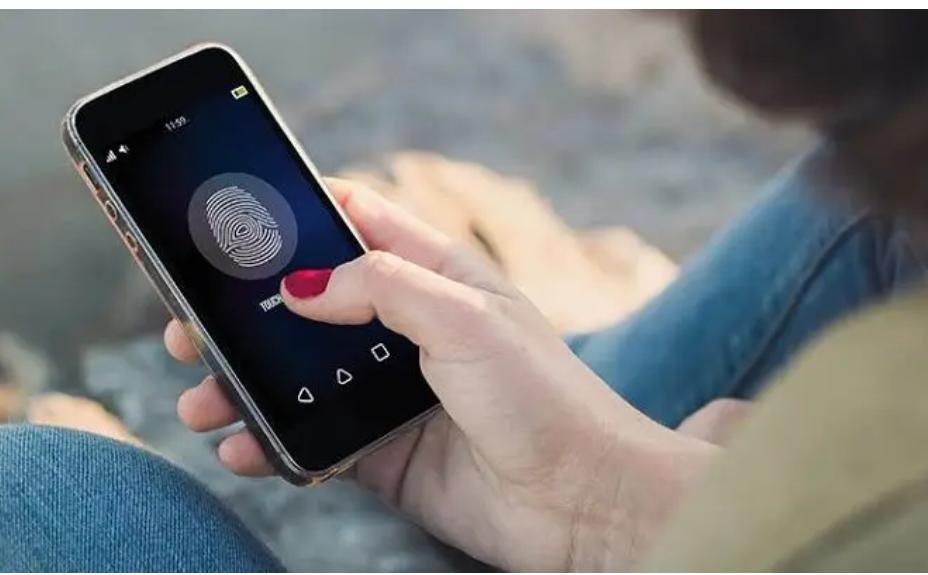
In a world where security matters more than ever, one tiny detail sets you apart from billions of people your fingerprint. From unlocking smartphones in seconds to solving complex criminal cases, fingerprint technology has become a cornerstone of modern identity verification. But what exactly is a fingerprint, and why is it so powerful?
Let’s break it down in a clear, practical way.
What Is a Fingerprint?
A fingerprint is the unique pattern of ridges and valleys found on the tip of every human finger. These patterns are formed before birth and remain unchanged throughout a person’s lifetime.
Key Characteristics of Fingerprints
- Unique: No two people (even identical twins) have the same fingerprint.
- Permanent: They don’t change over time unless there is severe damage.
- Classifiable: Fingerprints can be grouped into patterns like loops, whorls, and arches.
Because of these traits, fingerprints are widely used in biometric identification systems.
How Fingerprint Technology Works
Fingerprint recognition technology captures and analyzes the unique patterns on your finger. Here’s a simple breakdown:
1. Scanning
A fingerprint scanner captures an image of your finger using optical, capacitive, or ultrasonic sensors.
2. Processing
The system identifies key features called minutiae points such as ridge endings and bifurcations.
3. Matching
Your fingerprint data is compared with stored data to verify your identity.
This process takes just seconds, making it one of the fastest and most efficient authentication methods.
Types of Fingerprint Scanners
Optical Scanners
These use light to capture a digital image of your fingerprint. They are common but less secure than newer technologies.
Capacitive Scanners
Found in most smartphones, these scanners use electrical signals to map your fingerprint’s ridges and valleys.
Ultrasonic Scanners
The most advanced type, using sound waves to create a detailed 3D image of your fingerprint even through dirt or moisture.
Uses of Fingerprints in Everyday Life
Fingerprint technology is everywhere today. Here are the most common applications:
Smartphone Security
Most modern devices allow users to unlock phones, authorize payments, and access apps using fingerprint recognition.
Law Enforcement
Fingerprints have been used for over a century in criminal investigations to identify suspects and solve cases.
Banking and Payments
Many banks use fingerprint authentication for secure transactions, reducing fraud risks.
Workplace Access
Companies use fingerprint scanners for attendance tracking and restricted access control.
Benefits of Fingerprint Authentication
1. High Security
Since fingerprints are unique, they are extremely difficult to duplicate.
2. Convenience
No need to remember passwords your finger is your key.
3. Speed
Authentication happens almost instantly.
4. Cost-Effective
Compared to other biometric systems, fingerprint solutions are relatively affordable.
Limitations and Challenges
Despite its advantages, fingerprint technology isn’t perfect.
Privacy Concerns
Storing biometric data raises questions about data security and misuse.
False Rejections
Sometimes scanners fail to recognize a fingerprint due to dirt, cuts, or moisture.
Spoofing Risks
Although rare, advanced attackers may attempt to replicate fingerprints using fake materials.
Tips to Use Fingerprint Security Safely
- Register multiple fingers to avoid lockouts.
- Keep your device clean for accurate scanning.
- Use fingerprint with a backup PIN or password for added security.
- Avoid sharing devices where sensitive data is stored.
Future of Fingerprint Technology
Fingerprint systems are evolving rapidly. Innovations include:
- In-display fingerprint sensors in smartphones
- Multi-biometric systems combining fingerprint with face recognition
- AI-powered matching for faster and more accurate results
As technology advances, fingerprint authentication will become even more secure and seamless.
Conclusion
Fingerprint technology has transformed the way we think about identity and security. Its combination of uniqueness, reliability, and convenience makes it one of the most trusted biometric systems in the world.
